How Long Does a Bicycle Accident Lawyer Case Take
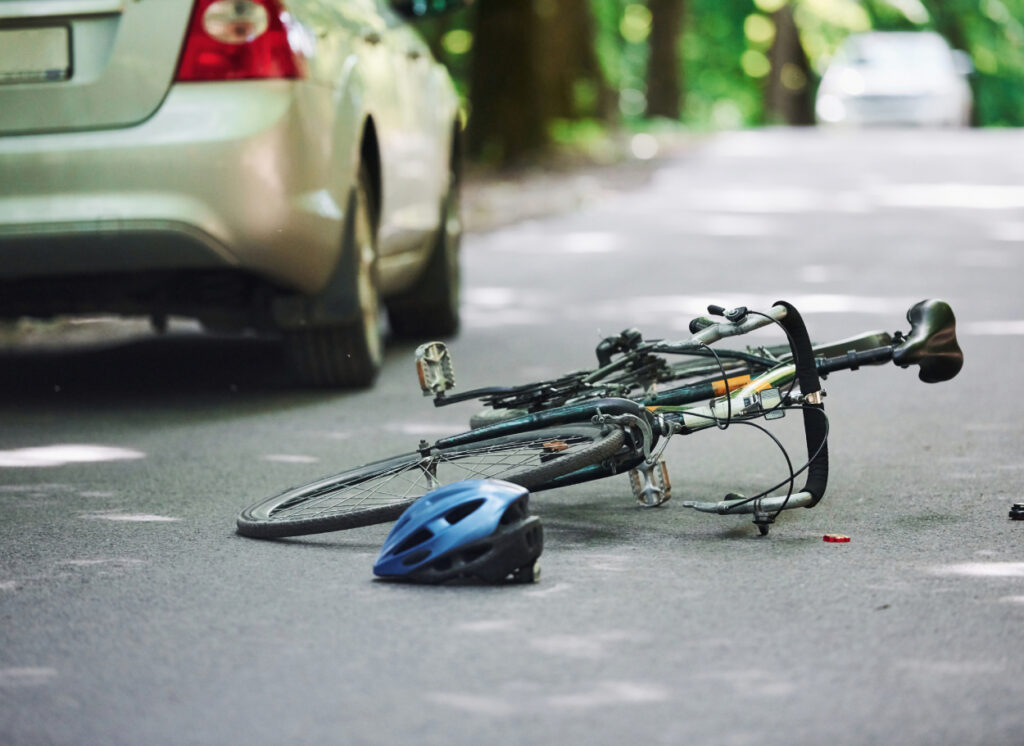
If you have been hit while riding a bike, one of the first questions that follows the shock, the medical treatment, and the insurance calls is simple: how long is this going to take?
It is a fair question, and it comes up in almost every serious injury case. People want to know when the bills will be covered, when they can stop talking to adjusters, and when life will feel settled again. The frustrating answer is that no honest Bicycle Accident Lawyer can give an exact timeline on day one. The more useful answer is that most cases follow a pattern, and once you understand that pattern, the delays make more sense.
Some bicycle accident claims resolve in a few months. Others take a year or two. A small number take even longer, especially when liability is disputed or the injuries are severe. The timeline depends less on paperwork than on a handful of practical issues: how badly you were hurt, whether the driver admits fault, how much insurance is available, whether your doctors can say you have reached a stable point in recovery, and whether a lawsuit needs to be filed.
The legal side moves at the speed of evidence, medicine, and leverage. That is what surprises most injured cyclists. The case is not just waiting around because someone is lazy. In many situations, moving too quickly can cost you money.
Why bicycle accident cases rarely settle immediately
A bicycle crash looks simple from the outside. A car turns across a bike lane, a cyclist gets thrown, the ambulance comes, and fault seems obvious. Yet the legal claim often becomes more complicated once the insurance company starts examining the details.
Drivers sometimes change their stories. Witnesses become hard to reach. Police reports can be incomplete or even wrong about key facts, especially if the officer did not actually see the crash. Road design may matter. Visibility may matter. Helmet use may come up, even when it does not legally excuse the driver’s conduct. If the cyclist was commuting, there may be wage loss records to gather from an employer. If the injuries involve surgery, nerve damage, a traumatic brain injury, or a complicated fracture, the medical records alone can run hundreds of pages.
Then there is the central issue in most injury claims: value. Insurance companies do not want to pay based on a rough guess. They want to see diagnosis codes, imaging, treatment history, physician opinions, and proof of how the injuries changed your daily life. A Bicycle Accident Lawyer usually cannot present the strongest demand until that picture is clear.
That is why the case often slows down in the middle. At the beginning, everything feels urgent. In the middle, the real work is happening, but it is less visible.
A realistic timeline from crash to resolution
The easiest way to understand how long a case takes is to break it into phases. Not every case moves neatly from one phase to the next, but most do.
The first few weeks: damage control and evidence preservation
Right after the crash, the focus should be on health and evidence. This stage often lasts a few days to several weeks, depending on how quickly the injured cyclist gets legal help and medical treatment.
During this period, a lawyer may collect the police report, photographs of the bike and https://cghinjurylawyers.blogspot.com/ scene, witness information, driver insurance details, surveillance footage, and early medical records. If there is a nearby business, traffic camera, or home security system, time matters. Video disappears. Skid marks fade. Damaged gear gets thrown out. A bent frame can tell an important story about impact speed and angle, but only if someone preserves it.
This early period also includes sorting out practical questions. Should you speak with the driver’s insurer? How do you handle a property damage claim for the bike? What happens if your health insurance pays first? Is there uninsured or underinsured motorist coverage available through an auto policy in the household?
Cases can lose time here if the injured person waits too long to get treatment or too long to consult counsel. Gaps in care create arguments the insurer will later use. The carrier may say the injury was minor, unrelated, or made worse by something else.
The treatment phase: often the longest stretch
For many bicycle injury claims, this is the longest part of the case. It may last a couple of months in a moderate soft tissue case, or well over a year in a case involving surgery, rehabilitation, or lasting impairment.
Why wait? Because a lawyer usually wants to know the full medical picture before putting a final number on the claim. If a client is still treating, it may be impossible to tell whether the injury will fully resolve, whether future treatment is likely, or whether permanent limitations will remain.
A cyclist with a broken wrist may initially think recovery will take eight weeks. Then the hardware causes complications, grip strength never fully returns, and a second procedure becomes necessary. A rider with a concussion may look fine on a scan but develop months of headaches, light sensitivity, sleep trouble, and concentration issues. These are not unusual developments. They change case value dramatically.
Settling before the medical picture stabilizes can create a one-way door. Once you sign a release, the case is over. If later treatment becomes necessary, you usually cannot go back and ask for more.
There are exceptions. Sometimes a person needs money quickly and prefers an early settlement. Sometimes the injuries are genuinely minor and well documented within a short window. Sometimes only a small insurance policy is available, and the claim is clearly worth more than the policy limits. In that setting, quick resolution may make sense because the available funds are capped anyway.
The demand and negotiation phase: often 30 to 90 days, sometimes longer
Once treatment reaches a stable point, or at least a point where damages can be reasonably evaluated, the lawyer usually prepares a demand package. This can include medical records, bills, lost income proof, photographs, witness statements, and a detailed explanation of liability and damages.
The insurance company then reviews the package. Adjusters often take several weeks to respond. If the injuries are significant, the file may move up the chain to a larger authority level or outside counsel. Negotiations can be short and efficient if fault is clear and the insurer is acting reasonably. More often, there is some back and forth.
This stage can move quickly when the defense knows it has a problem. A driver who rear-ended a cyclist in broad daylight, with an impartial witness and a broken femur on the medical records, creates pressure. It tends to move more slowly when the insurer believes it has room to argue over fault or medical causation.
Litigation: when the timeline stretches
If negotiations stall, a lawsuit may be necessary. Filing suit does not mean the case is headed to trial tomorrow. It means the dispute has entered a formal court process. That process has its own schedule, and it is usually measured in months, not weeks.
After filing, the defendant must be served and given time to respond. Then the case enters discovery, the phase where both sides exchange information. Written questions are answered, documents are produced, medical releases are exchanged, witnesses are deposed, and experts may be retained. Courts set deadlines, but those deadlines vary sharply by county and state. Some courts move briskly. Others have crowded dockets and trial dates far in the future.
A contested bicycle accident case in litigation can easily take a year from filing to resolution. If the court is backlogged, if multiple experts are involved, or if the defense fights every issue, it can take longer.
The biggest factors that control how long the case takes
No two bicycle crash claims are identical, but a few variables shape the timeline more than anything else.
Severity of injury
Minor injuries tend to resolve faster because treatment is shorter and damages are easier to calculate. A road rash case with a few urgent care visits and a clear recovery is different from a case involving spinal trauma, a shoulder reconstruction, or post-concussion symptoms that interfere with work.
More serious injuries do not just increase value. They increase uncertainty. That uncertainty takes time to sort out.
Clarity of fault
If liability is obvious, the case usually moves faster. A police citation helps, but it is not the whole story. Strong photographs, consistent witness accounts, crash reconstruction evidence, and vehicle data can all matter.
Cases slow down when the driver claims the cyclist darted into traffic, rode outside the bike lane, ignored a signal, or wore dark clothing at night. Even weak blame-shifting arguments can create delay if the insurer thinks they may reduce the payout.
Insurance coverage
Coverage issues are a common source of frustration. Sometimes the at-fault driver carries only a minimal liability policy. Sometimes several policies may apply, including the driver’s policy, an employer’s policy if the driver was working, or uninsured or underinsured motorist coverage. Sorting that out takes time.
There are also cases where the available policy is small and the damages are large. In those situations, a lawyer may need to investigate other potentially responsible parties, such as a company vehicle owner, a bar in a dram shop case where state law permits it, or a public entity responsible for a dangerous road condition. Every extra layer adds time.
Medical consistency and documentation
Good records help cases move. Poorly documented treatment slows them down. If a cyclist waits three weeks to see a doctor, misses appointments, changes providers repeatedly without explanation, or stops treatment before the injury is addressed, the insurer will use that to challenge the claim.
A Bicycle Accident Lawyer cannot fill in medical gaps with argument alone. Juries and adjusters expect records.
The client’s goals
Some people want the fastest acceptable resolution. Others want the strongest possible case, even if it takes longer. Those are different strategies. Neither is automatically wrong.
A lawyer can often push for speed, or push for maximum development of the damages case, but usually not both at the same time.
What a straightforward case might look like
A cyclist is hit by a driver making a right turn across a bike lane. The police report identifies the driver, the driver admits not seeing the cyclist, and the rider suffers a fractured clavicle plus extensive road rash. Surgery is not required. The rider completes treatment in three months, misses five weeks of work, and the insurer has adequate coverage.
That type of case might resolve in four to eight months, sometimes sooner if the insurer is sensible and the medical records arrive quickly.
Now change just two facts. The cyclist develops ongoing shoulder instability and needs surgery six months later. The driver’s insurer also argues the rider was traveling too fast for traffic conditions. The timeline may jump to a year or more, and if a lawsuit is needed, longer still.
That is why broad averages only go so far. Small factual changes have large timing consequences.
What a hard case looks like
The slowest bicycle cases usually share one or more of these problems:
- fault is disputed
- the injuries are severe or permanent
- the insurance coverage is unclear or limited
- future medical care must be estimated
- the case requires litigation and expert testimony
Take a crash involving a delivery van turning left across an intersection. The cyclist suffers a traumatic brain injury, pelvic fractures, and months of rehabilitation. The employer denies the driver was on duty. The defense argues the cyclist entered on a stale yellow. There are three witnesses with slightly different accounts, and a nearby camera captured only part of the event.
That case is not settling in ninety days. It may take eighteen months to several years, particularly if future earning capacity is in dispute. The size of the claim increases the amount of scrutiny. More money on the table almost always means more resistance.
Why waiting can actually improve the result
Clients often assume delay is always bad. Sometimes it is. Unnecessary lawyer inactivity is a real problem. But deliberate waiting can be smart.
One reason is medical maturity. Doctors may need time to determine whether the cyclist will improve further or has reached maximum medical improvement. Another reason is leverage. An insurer that sees incomplete treatment may offer nuisance value. The same insurer, six months later, faced with a surgical recommendation, documented work loss, and a persuasive treating physician, may evaluate the case very differently.
I have seen claims where the early offer looked tempting because bills were piling up, but the eventual resolution was several times higher once the long-term impact became clear. I have also seen the opposite, where waiting added little because the policy limits were low and every extra month only increased stress. Good judgment is knowing which case you have.
What tends to delay a case unnecessarily
Not every delay is strategic. Some are avoidable. The most common ones usually come from a short list of practical mistakes.
- delaying medical treatment after the crash
- failing to follow through with recommended care
- giving incomplete information to your lawyer
- waiting too long to gather photos, witnesses, or bike damage evidence
- assuming the insurance company will handle things fairly without pressure
There are legal delays too. Hospitals can be slow to produce records. Employers sometimes drag their feet on wage verification. Defense insurers may repeatedly request duplicate information or assign a new adjuster halfway through negotiations. Courts can reschedule hearings for reasons that have nothing to do with the merits of the case.
Still, the client’s own consistency matters more than most people realize. Cases move best when the story in the records matches the story the cyclist is telling.
Filing a lawsuit does not always mean trial
A lot of injured cyclists hear the word lawsuit and imagine years of courtroom drama. That can happen, but most filed injury cases still settle before trial. Filing often changes the bargaining dynamic because it forces deadlines, document exchange, and sworn testimony. It also signals that the injured person is willing to push past a low offer.
Once depositions are taken, both sides usually understand the strengths and weaknesses of the case more clearly. That clarity often leads to mediation or renewed settlement talks. In many jurisdictions, courts require some form of settlement conference before trial anyway.
A lawsuit extends the timeline, but it can also be the step that finally moves the case toward resolution.
How long the insurance company gets to decide
People are often surprised that there is no universal rule forcing an insurer to make a prompt, reasonable offer immediately after receiving a demand. State laws vary. Some require acknowledgments, claim handling standards, or deadlines for certain responses. Those rules do not guarantee a fair offer. They mainly regulate process.
In practice, a serious bicycle accident claim may sit with an adjuster for several weeks while records are reviewed. If the claim exceeds the adjuster’s authority, it can take longer. If the insurer wants an independent medical review or more documentation, longer still.
A skilled Bicycle Accident Lawyer can keep pressure on the timeline with clear follow-up, deadlines, and readiness to litigate. But no lawyer can force a complex insurer to write a check on command.
The role of comparative fault
One issue that often stretches bicycle cases is comparative fault, meaning the defense argues the cyclist shares some of the blame. Even where the driver clearly caused the crash, the insurer may claim the rider was not visible enough, was outside the proper lane position, failed to obey a signal, or was moving unpredictably.
Sometimes these arguments are thin. Sometimes they are serious. Either way, they affect both value and timing because the parties may need extra evidence to assess them. An accident reconstruction expert might be brought in. Intersection timing may be analyzed. Helmet camera footage, if it exists, can be pivotal.
A case with solid liability and no comparative fault issue may settle on documents alone. A case with plausible blame on both sides often requires depositions before either side sees the settlement range clearly.
Statutes of limitation set the outer boundary
Every state has a deadline for filing injury claims, called the statute of limitations. Miss it, and the claim may be barred entirely. That deadline does not tell you how long the case should take, but it sets the outer boundary for when a lawsuit must be filed if negotiations are not working.
There may also be shorter notice deadlines if a government entity is involved, such as a city bus, municipal vehicle, or dangerous road design claim against a public agency. Those claims can become timing traps for the unwary. They often require special notice long before the standard lawsuit deadline.
This is one reason waiting too long to talk with counsel can be costly even if the insurer seems cooperative early on.
What you can do to keep the case moving
You cannot control the court’s calendar or the insurer’s internal bureaucracy, but you can do a lot to reduce avoidable delay. Get evaluated promptly. Follow treatment recommendations. Keep records of out-of-pocket expenses, wage loss, and how the injury affects your daily routine. Save photographs of the bike, helmet, clothing, and injuries. Respond quickly when your lawyer asks for information.
It also helps to be realistic about the pace of recovery. The legal claim often follows the medical timeline. If your body is still revealing the true extent of the damage, the case is probably still developing too.
A practical expectation for most injured cyclists
If the bicycle accident caused minor injuries and fault is clear, a resolution in a few months is possible. If the injuries required extended treatment but no lawsuit, many cases land somewhere in the six to twelve month range. If litigation is necessary, a year or more is common. If the injuries are catastrophic, the fault is disputed, or expert testimony is needed, the timeline can extend well beyond that.
That is not a sign that the case lacks merit. Often, the opposite is true. The more serious the harm, the more carefully both sides evaluate it.
The best question is not only how long the case will take. It is whether the timing serves the result. Fast money can be expensive money if the settlement closes before the real damage is known. On the other hand, endless delay with no strategic purpose helps no one. A good Bicycle Accident Lawyer should be able to explain where the case stands, what is driving the timeline, what the next pressure point will be, and whether waiting is helping or merely postponing action.
For an injured cyclist, that clarity matters almost as much as the calendar.
CGH Injury Lawyers
2701 Lawrence St Suite 201
Denver, CO 80205, United States
Phone: +1 720-669-8062
FAQ About Bicycle Accident Lawyer
Who is at fault if a car hits a bicycle?
Fault depends on the evidence and the traffic rules that applied to the collision. A driver, cyclist, or another party may share responsibility. Police reports, witness accounts, video, and the physical evidence can help establish what happened. A collision with a car does not automatically determine legal fault.
Can you sue someone for hitting you on a bike?
You may have a claim when another person's negligent conduct causes your injuries and losses. The available evidence, applicable deadlines, insurance coverage, and any shared fault affect your options. A lawyer can review the circumstances and explain whether an insurance claim or lawsuit is appropriate; compensation is not guaranteed.
What percentage does an injury lawyer usually take?
There is no single percentage that applies to every injury case. Many lawyers use a contingency fee based on a share of the recovery, with the terms stated in a written agreement. Ask how the percentage is calculated, whether it changes during litigation, and how case expenses are handled before signing.
Corrections
Spot something wrong? Send it to the desk and it gets fixed in the open.